Is Google Pomelli the Final Nail in the Coffin for Professional Photographers?
The creative industry is currently weathering a storm of unprecedented proportions. From generative AI art to automated copywriting, the tools of the trade are shifting faster than most professionals can adapt. Now, a new player has entered the arena, and it is causing a massive ripple across the visual arts. Google Pomelli AI has arrived, promising to revolutionise how we create imagery. But for many in the industry, this “innovation” feels less like a helping hand and more like a definitive blow to the craft of traditional photography.
What is Google Pomelli AI?
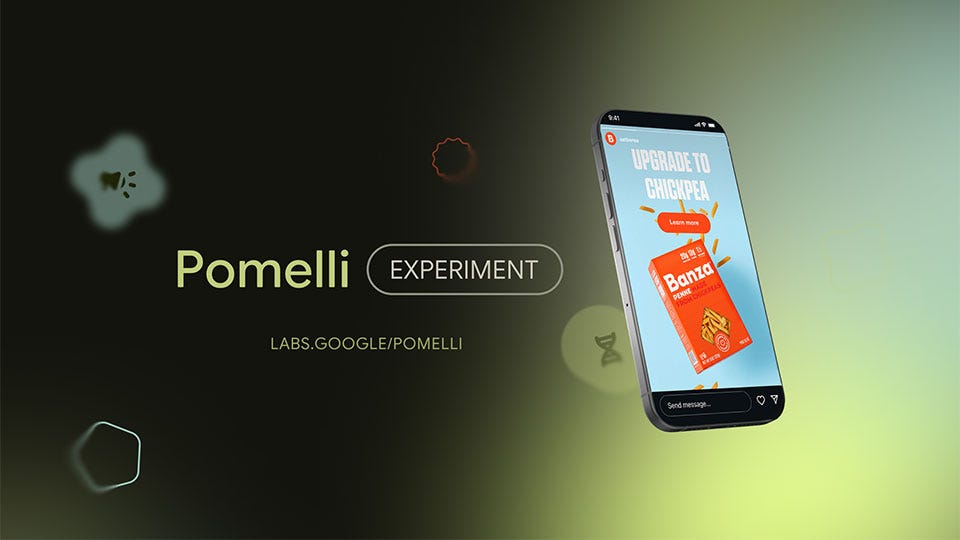
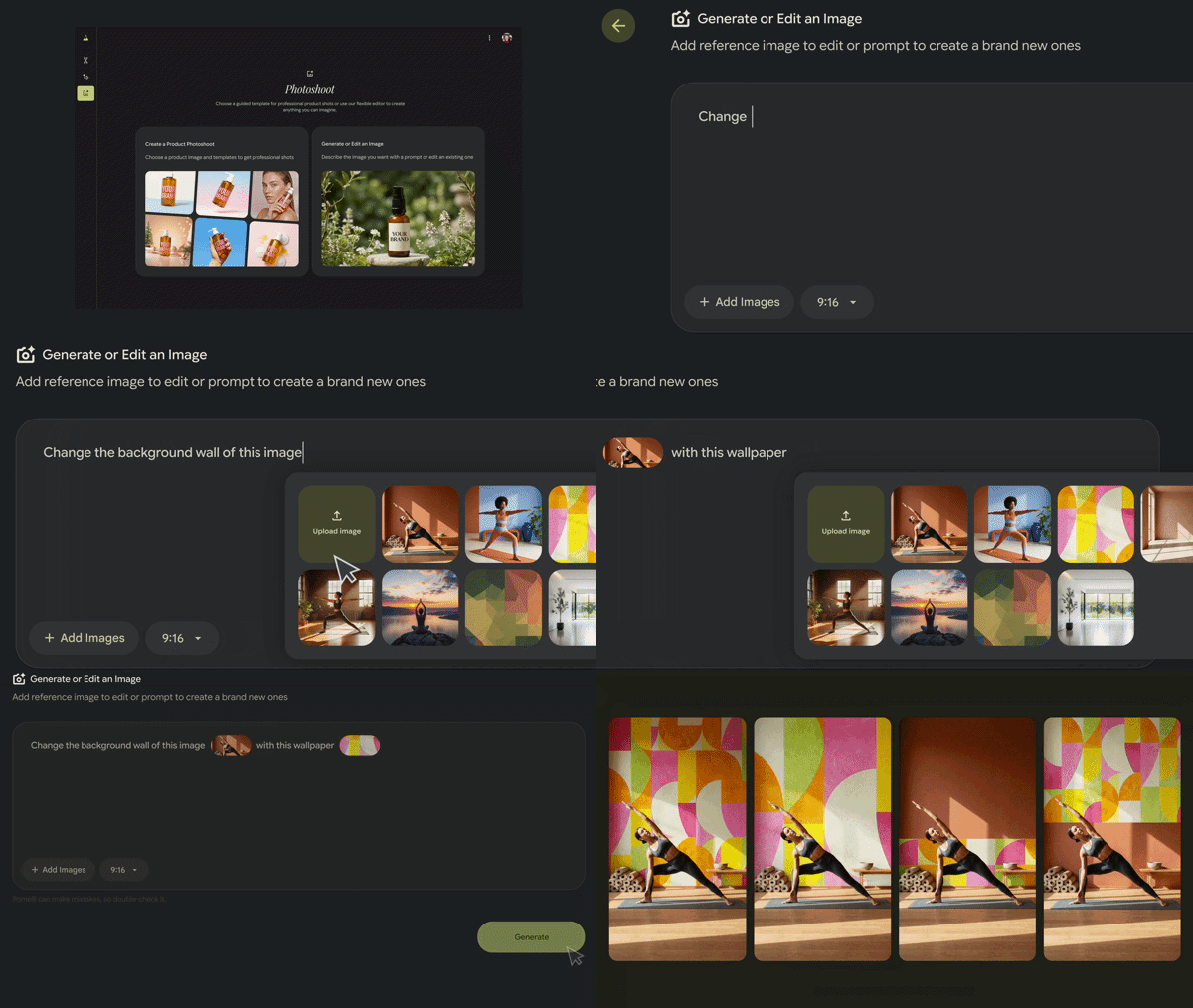
Developed within the experimental halls of Google Labs, Google Pomelli AI is a sophisticated feature designed to democratise professional-grade photoshoots. By leveraging advanced diffusion models, Pomelli allows users to generate high-quality product imagery and portraits without the need for a physical studio, expensive lighting rigs, or even a camera.
Recently expanded into the European market, the tool enables businesses to place products in diverse, stylised environments through simple text prompts or reference images. While Google frames this as a way to “empower small businesses,” the implications for the broader creative sector are profound.
A “Nail in the Coffin” for Photography?
The reaction from the photographic community has been swift and largely defensive. As noted by industry commentators at PetaPixel, there is a growing sentiment that Google Pomelli AI is “hammering nails into the coffin” of professional photography.
For decades, commercial photography was a blend of technical mastery and artistic soul. A product photographer didn’t just click a button; they manipulated light, understood material physics, and composed a narrative. With Pomelli, those years of expertise are condensed into a few seconds of server processing.
Why the Creative Industry is Trembling
- Devaluation of Skill: When a machine can replicate a three-point lighting setup perfectly, the market value of a human who can do the same begins to plummet.
- The “Good Enough” Standard: Many clients may realise that while AI lacks “soul,” it is “good enough” for social media and e-commerce, leading to a massive loss in commissions for mid-tier professionals.
- Accessibility vs. Erasure: While Google argues they are helping those who cannot afford a photographer, critics argue they are systematically erasing a career path.
The Shift from Capturing to Prompting
We are witnessing a fundamental shift in the creative process. Traditional photography is about capturing reality; Google Pomelli AI is about synthesising it.
In a world where you can generate a “sun-drenched Mediterranean villa” backdrop for a bottle of perfume without leaving a London basement, the logistical barriers that once protected the photography industry have vanished. This is part of a larger trend where “creative” work is being rebranded as “content generation.”
Is There a Future for Human Photographers?
Despite the gloom, some argue that the “human element” will become a premium luxury. Much like how digital photography didn’t kill film, but rather turned it into a niche art form, human-led photoshoots may become a mark of authenticity and high-end branding.
However, for the average commercial photographer working in catalogue or social media content, the threat is existential. The creative industry is already struggling with shrinking budgets; adding a free or low-cost AI alternative from a tech giant like Google could be the tipping point.
Adapting to the New Reality
Google Pomelli AI represents a crossroads for the visual arts. It offers undeniable efficiency and a lower barrier to entry for creators, but it does so at the expense of a storied profession. Whether we view this as the “death of photography” or merely its most radical evolution yet, one thing is certain: the ripple effect across the creative industry is only just beginning.

What do you think? Is Google Pomelli a tool for democratisation, or is it truly the end of professional photography as we know it?