Is Everything You See Online Fake? Your Essential Guide to Surviving the AI Internet
The digital landscape has shifted beneath our feet. Gone are the days when a grainy video or a poorly spelt email were the only signs of a scam. Today, we are living in the age of hyper-realistic deepfakes, sophisticated smart bots, and AI-driven misinformation that can deceive even the most tech-savvy users. If you feel like you can no longer trust your eyes and ears, you aren’t alone. Learning the art of surviving the AI internet is no longer a niche skill—it is a survival necessity for every digital citizen in 2026.

The Rise of Deepfakes and Smart Bots
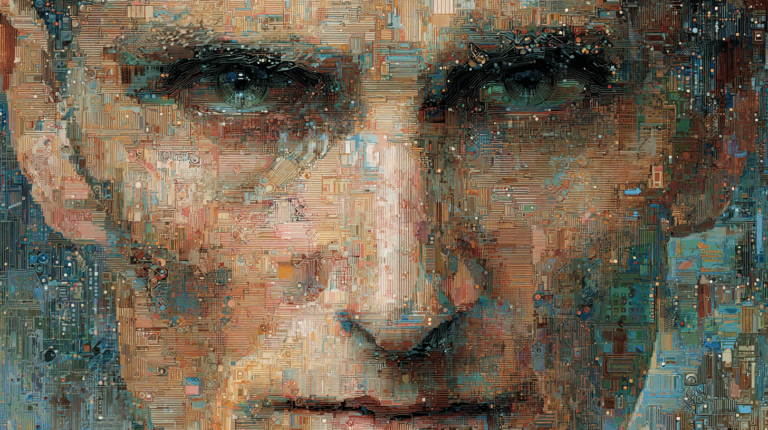
The proliferation of AI-generated content has created a “reality apathy” where the line between truth and fabrication is increasingly blurred. Deepfakes—AI-synthesised media where a person’s likeness is replaced with someone else’s—are being used for everything from political manipulation to sophisticated financial fraud.
Similarly, smart bots have evolved. They no longer just spam links; they engage in nuanced debates, mimic human emotions, and can maintain persona-driven accounts for months to build unearned trust. To protect your identity and your wallet, you must understand how these technologies operate.

How to Spot AI-Generated Content: The Red Flags
While AI is getting better, it isn’t perfect. Most AI-generated content leaves behind “digital fingerprints” if you know where to look. Here is how to sharpen your detective skills.
Identifying AI Images and Videos
When viewing a suspicious image or video, pay close attention to the details that AI typically struggles to render:
- The Extremities: Check the hands and feet. AI often struggles with the correct number of fingers or the way limbs join the body.
- Unnatural Textures: Look for skin that appears too smooth (the “plastic” look) or hair that looks like a solid mass rather than individual strands.
- Background Distortions: AI often creates “hallucinations” in the background—look for windows that don’t align or objects that melt into the scenery.
- The Eyes: In deepfake videos, the blinking patterns often feel rhythmic or unnatural, and the reflections in the pupils may not match the light source of the room.
Detecting Smart Bots in Social Conversations
Smart bots are designed to influence public opinion. You can often identify them by these behaviours:
- Hyper-Activity: An account that posts 50 times a day, 7 days a week, is likely automated.
- Repetitive Narratives: Bots often use slightly varied versions of the same script across multiple threads to push a specific agenda.
- Lack of Personal Nuance: If you ask a bot a highly specific, culturally local question, it may give a generic or overly formal response.
Practical Tips for Surviving the AI Internet
Beyond just “spotting” fakes, you need a strategy to navigate the web safely. Surviving the AI internet requires a shift in how we consume information.
- Practise the SIFT Method: Developed by digital literacy experts, SIFT stands for Stop, Investigate the source, Find better coverage, and Trace claims back to the original context.
- Use Reverse Image Search: Tools like Google Lens or TinEye can help you find the original source of an image to see if it has been manipulated or taken out of context.
- Verify Through Reputable Sources: If a piece of “breaking news” only exists on social media and isn’t being reported by established outlets like the BBC or Reuters, treat it with extreme caution.
- Check for Internal Consistency: Read our previous guide on how to secure your social accounts to ensure your own profile isn’t hijacked by bots to spread misinformation.
The Importance of Digital Literacy in 2026
The goal of fake news isn’t always to make you believe a lie; often, it is simply to make you doubt everything. This “information overload” can lead to apathy, making us less likely to engage with important social issues. By honing your ability to recognise AI-generated content, you aren’t just protecting yourself—you are helping to maintain the integrity of our shared digital reality.
Surviving the AI internet is an ongoing process. As the models get smarter, our critical thinking must become sharper. Always ask: Who benefits from me believing this?

The internet is no longer a “what you see is what you get” environment. From deepfakes to smart bots, the tools of deception are more powerful than ever. However, by staying sceptical, verifying sources, and looking for those tell-tale AI glitches, you can navigate the web with confidence.
Did this guide help you feel more secure? Share this post with a friend to help them stay safe online, and leave a comment below if you’ve ever spotted a deepfake in the wild!